Advancing Equity in Cervical Cancer Prevention: HPV Vaccine Roadmap Development Meeting with Stakeholders
Start Date: 17 May 2026
End Date: 17 May 2026
Location: Geneva, Switzerland
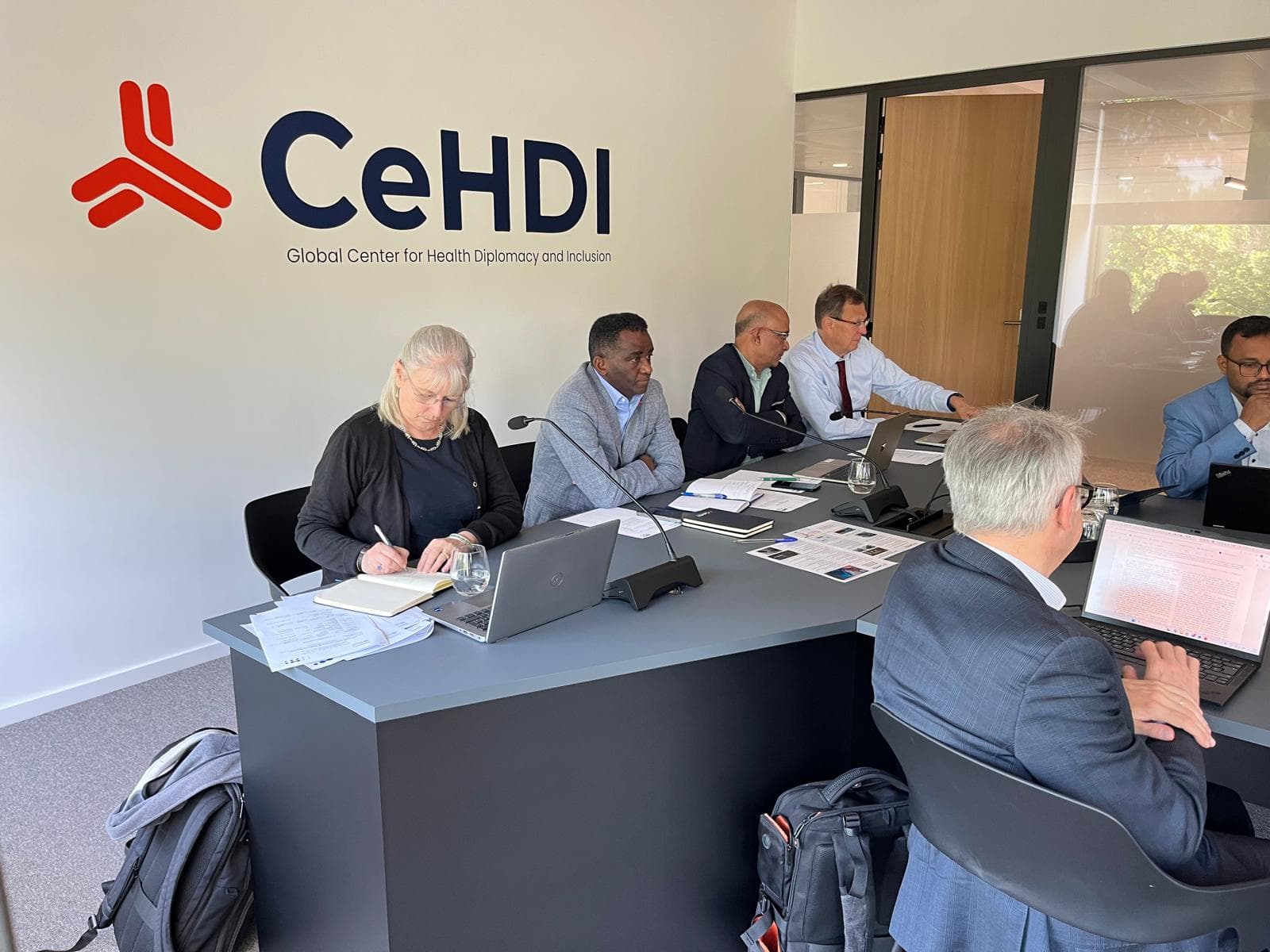
CeHDI, in collaboration with the International Agency for Research on Cancer (IARC), convened a stakeholder consultation meeting on 17 May 2026, on the sidelines of the 79th World Health Assembly, to present findings from systematic reviews and a modelling study and to initiate dialogue with vaccine manufacturers and regulatory agencies on pathways for the inclusion of HPV35 in next-generation cervical cancer vaccines. HPV35 is a high-risk strain of the human papillomavirus not targeted by any licensed vaccine, despite increasing evidence of its elevated prevalence among women in Africa.
The meeting brought together researchers, vaccine manufacturers, and representatives from the European Medicines Agency, the African Medicines Agency, Gavi, and the World Health Organization to review the latest evidence on the burden of HPV35 and discuss potential next steps. Discussions highlighted the importance of developing HPV35-inclusive vaccines, including regionally tailored formulations, as part of broader efforts to advance health equity in cervical cancer prevention and uphold the right to health.
IARC presented findings from two systematic reviews and a provisional modelling study. Evidence from the epidemiological review indicated that HPV35 is most prevalent in Africa, particularly in Southern and Eastern Africa, and especially among women living with HIV. The review concluded that surveillance and prevention strategies must reflect the HPV genotypes that are most common in each region, including HPV35 in high-burden African settings. A second review found that existing HPV vaccines do not reliably provide indirect protection against this high-risk strain.
The provisional modelling study results presented during the meeting estimated that the inclusion of HPV35 in a reformulated vaccine could prevent 815,000 cervical cancer cases and 552,000 deaths over the next ten years. According to the model, most averted cases and deaths would occur in Africa, where cervical cancer remains among the leading causes of cancer mortality in women and where access to treatment is severely limited.
Regulatory bodies and vaccine manufacturers engaged constructively with the evidence, discussing considerations and potential pathways for the inclusion of HPV35 in future vaccine formulations. While stakeholders reflected differing stages of readiness and development, the discussions demonstrated increasing recognition of the importance of addressing the disproportionate burden of HPV35 among women in Africa through evidence-informed vaccine strategies.
The meeting concluded with clear agreement on the need to strengthen the body of research, continue policy dialogue, and sustain engagement with regulatory agencies, international partners, and vaccine manufacturers. Further studies on the regional distribution of HPV genotypes may also be required to inform the development of more precisely targeted vaccines and assess the cost-effectiveness of region-specific formulations.
CeHDI commends the engagement and collaboration demonstrated by stakeholders throughout the meeting and remains committed to supporting IARC’s efforts to advance equitable cervical cancer prevention and uphold the right to health for all women and girls.